Wastewater treatment plants
Full control over the condition of activated sludge – for biological wastewater treatment plants and municipalities.
BioCargo and the natural environment
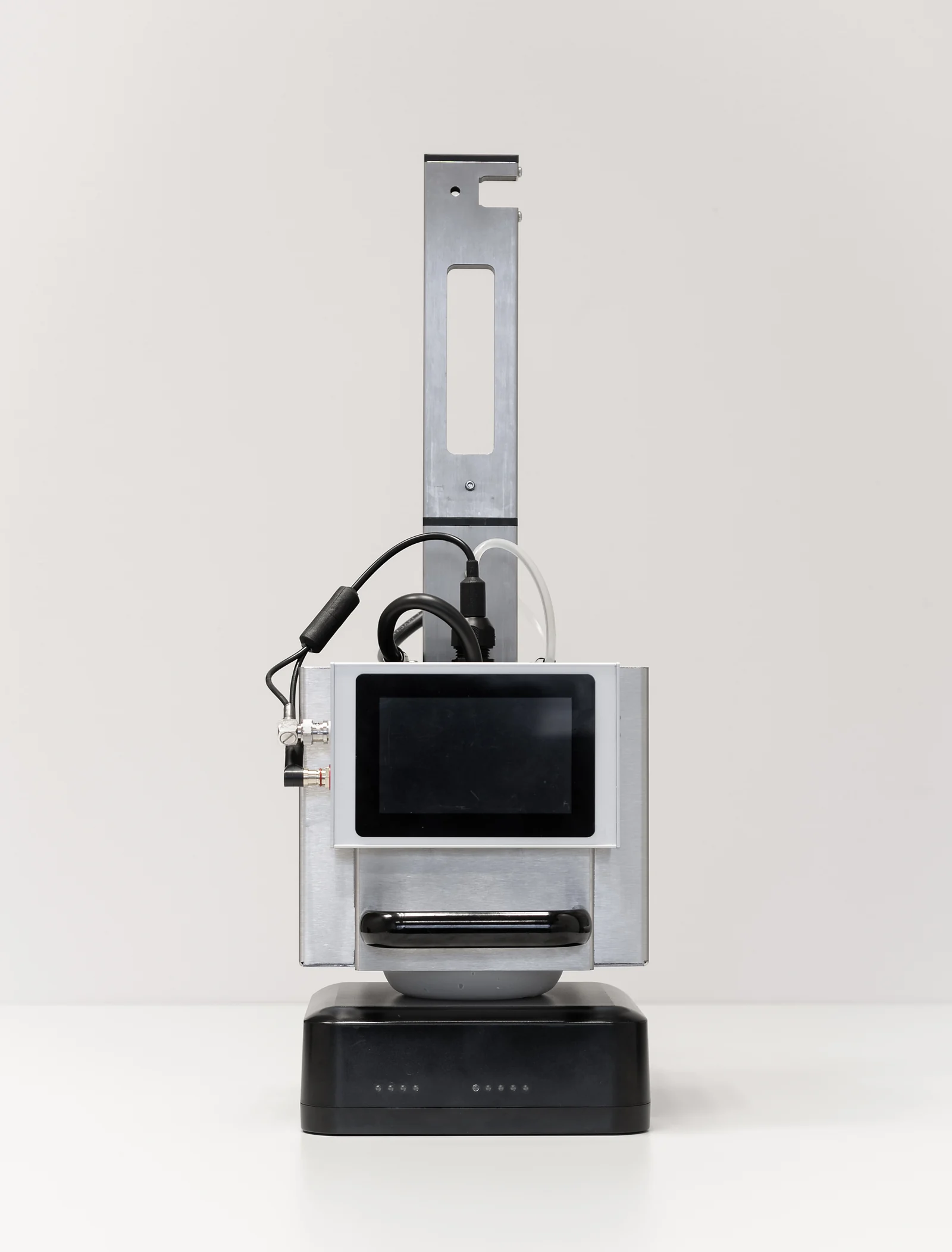
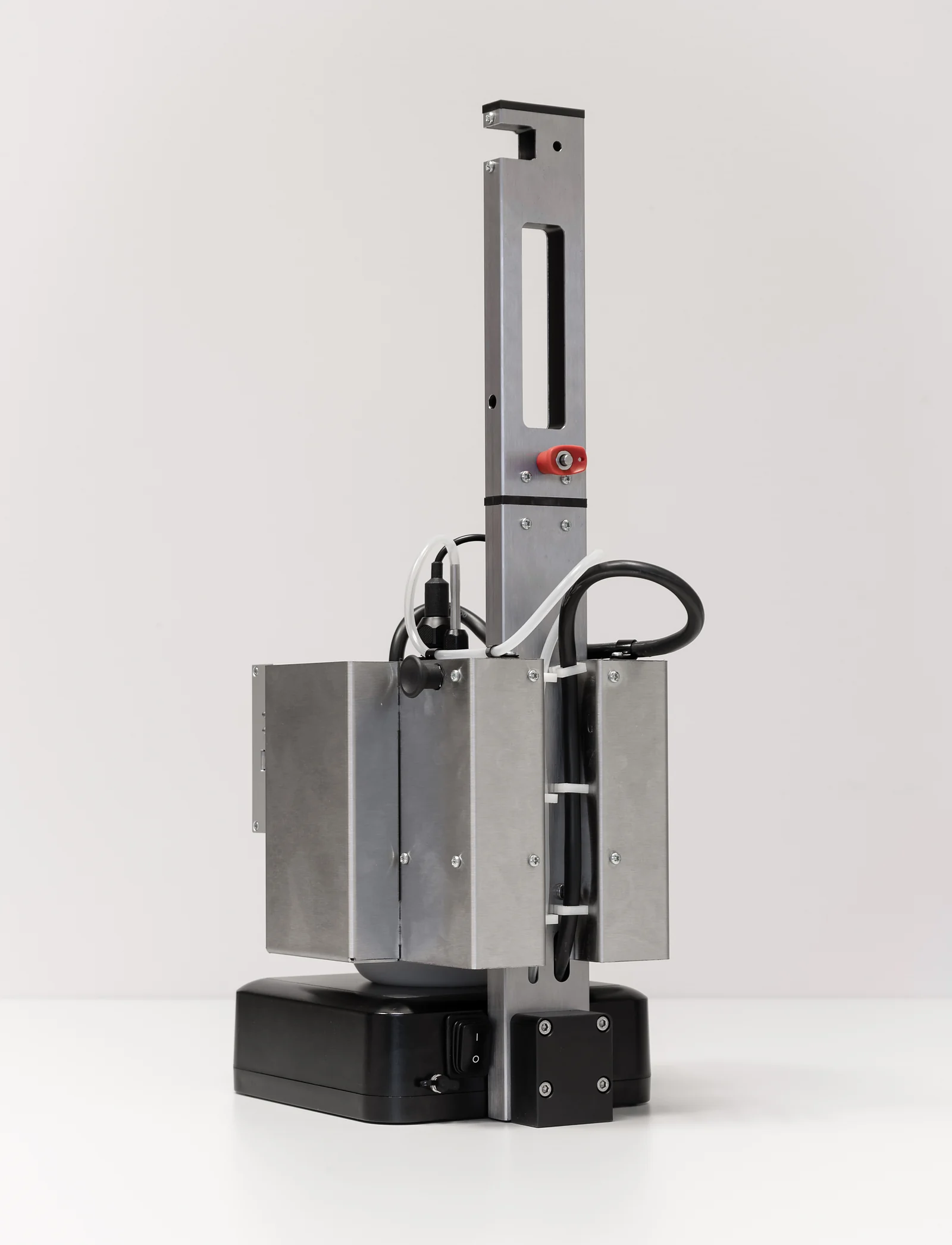
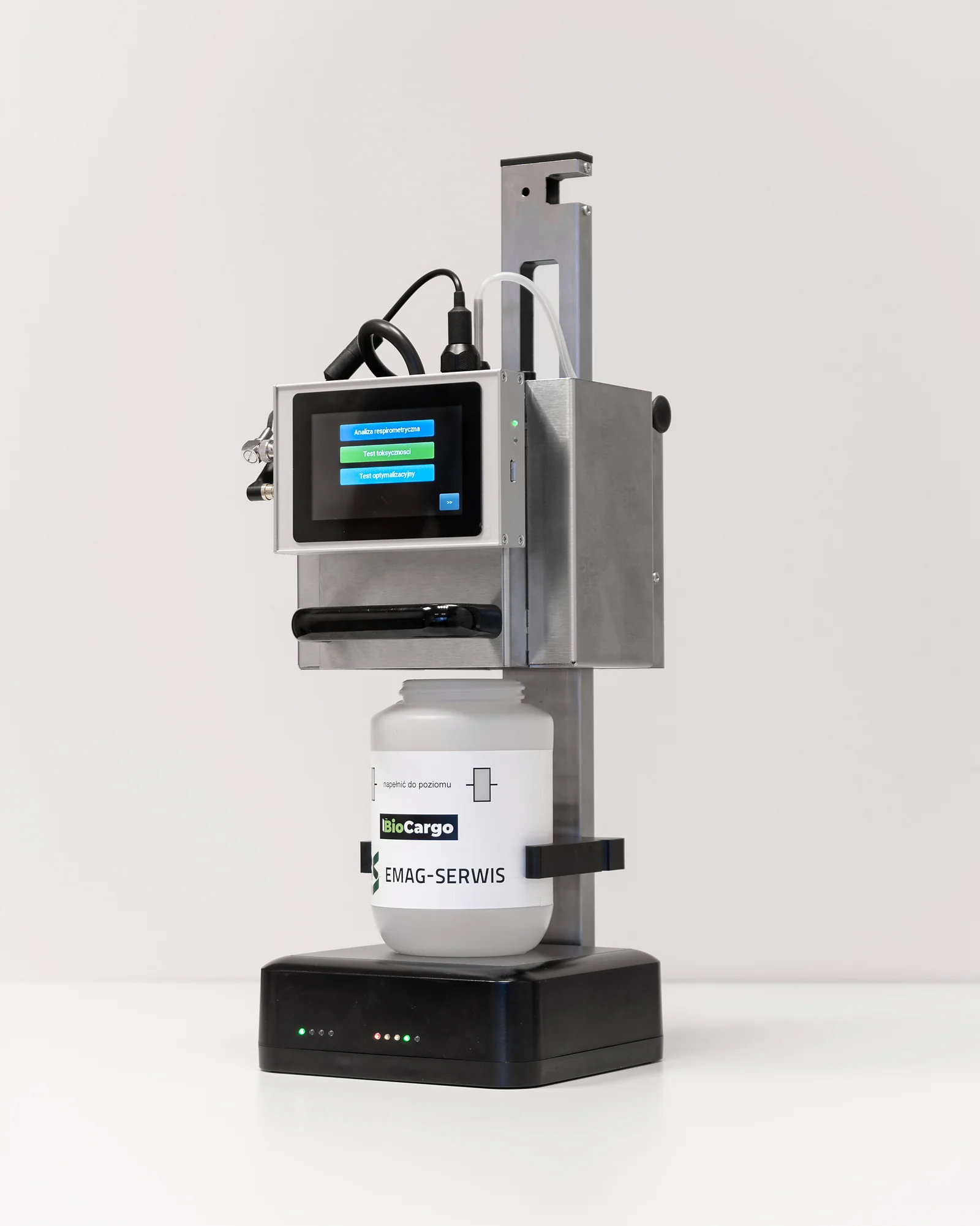
The primary purpose of BioCargo is to maintain the appropriate quality of wastewater treated by biological treatment plants, to analyse the physiological condition of activated sludge and assess wastewater toxicity, and to provide preliminary diagnostics during commissioning, servicing and repairs of these facilities.
Regular testing of the impact of wastewater on activated sludge makes it possible to optimise the operation of the treatment plant, keep the activated sludge permanently safe and protect the soil and water environment against the potential negative impact of wastewater.
BioCargo and the optimisation of treatment plant operation
The climate and environmental changes we have recently been facing force us to redefine our approach to the planet’s water resources and show the need to treat the water cycle as a precious resource essential for life. Recent analyses show, for example, that wastewater-based epidemiology can be used to track and locate viruses thanks to information collected from local wastewater treatment plants.
Wastewater treatment restores the biological balance of the ecosystem, above all by ensuring suitable conditions for the bacteria that clean the water. Industrial waste has the most negative impact on the number of living bacteria, and too few of them make it impossible to treat the water to the required level. Reducing the energy needed to aerate wastewater is another major challenge for treatment plants.
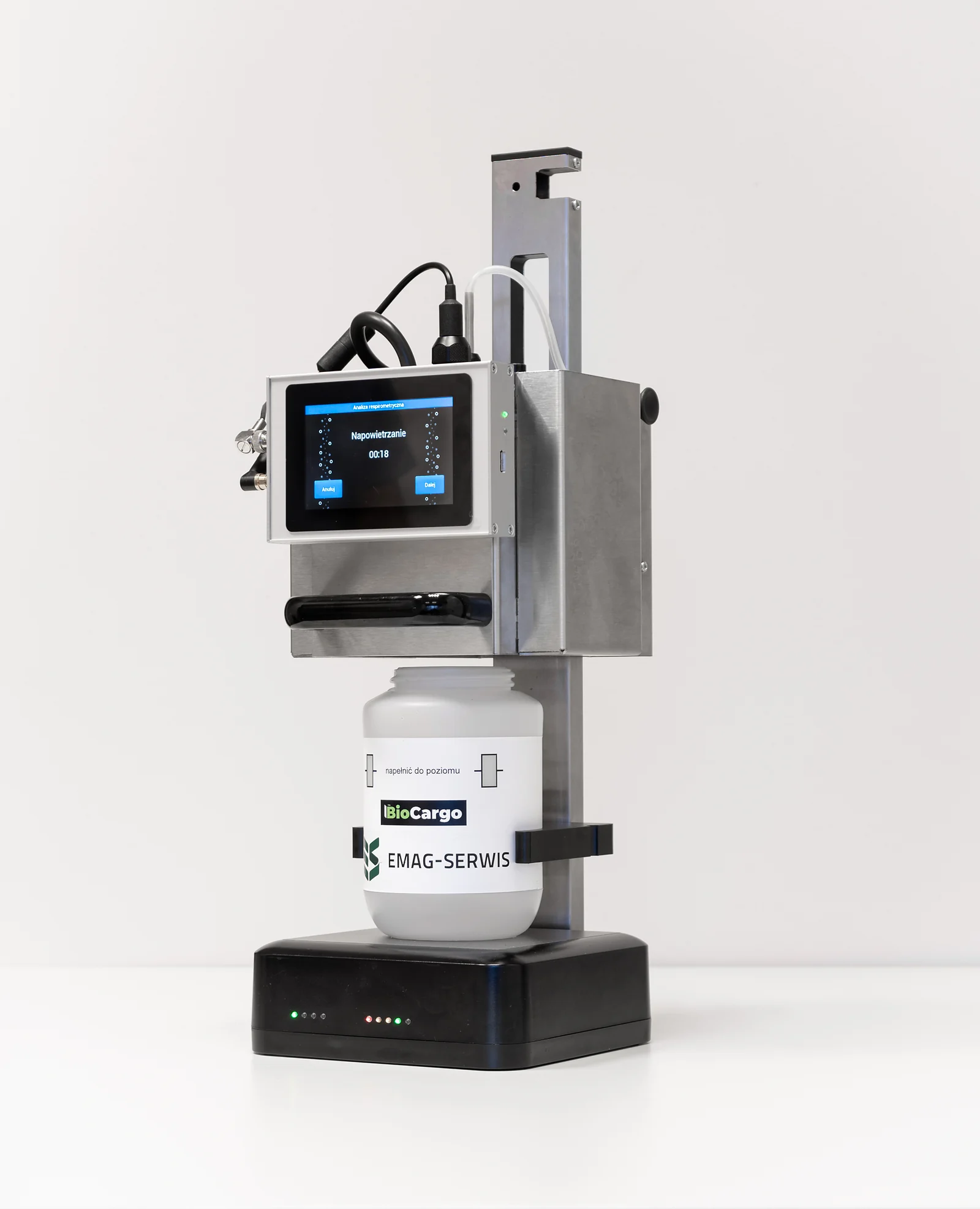
The measurements taken so far do not give treatment plants enough information about the health of the bacteria. BioCargo enables accurate and effective measurements by analysing the physiological condition of activated sludge and assessing wastewater toxicity, as well as preliminary diagnostics during commissioning, servicing and repairs. Optimising the operation of a treatment plant with BioCargo can also reduce energy consumption by cutting aeration.
EU law and the duties of municipalities
BioCargo and treatment plant obligations under EU law
Wastewater treatment plants must achieve full compliance with EU law. Meanwhile, outdated technologies, breakdowns and heavy rainfall very often cause them to malfunction. The way measurements have been made so far does not give treatment plants enough information about the health of the bacteria.
As a result, these plants constantly struggle to keep the quality of treated wastewater stable and to assess whether the plant is working correctly. Discharging treated wastewater of unverified, and therefore often insufficient, quality not only exposes treatment plants to penalties but above all harms aquatic ecosystems.
BioCargo and the duties of municipalities
In Poland, municipalities are responsible for supervising water and wastewater management and for checking that users take measurements, keep records and submit the required reports or surveys. This applies to wastewater that is not connected to the sewer system and is discharged by household treatment plants. Both the operator of an installation and the user of a device are obliged to measure emissions periodically.
In addition, the operator must submit the results of wastewater emission measurements to the environmental protection authority (in a municipality, the mayor) and to the regional environmental protection inspector if these measurements are particularly important for the systematic control of emissions or other conditions of using the environment. Failing to carry out the required number of measurements breaches the permit and results in an administrative fine.
BioCargo helps you avoid penalties and gives you full control over the condition of activated sludge. Don’t wait – equip your wastewater treatment plant with BioCargo! The device is protected by Polish patent No. 226056.
Wastewater treatment in Poland in numbers
Source: Statistics Poland (GUS), data for 2019.
- 3,279 municipal wastewater treatment plants (2,454 biological, 817 with enhanced nutrient removal, 8 mechanical)
- 74% of Poland’s population is served by wastewater treatment plants
- 1,343,275 dam³ of wastewater treated every year
- 574,643 t of sludge (dry mass) produced by treatment plants every year
- 515,000 m³ maximum daily capacity of Poland’s largest treatment plant – “Czajka” in Warsaw